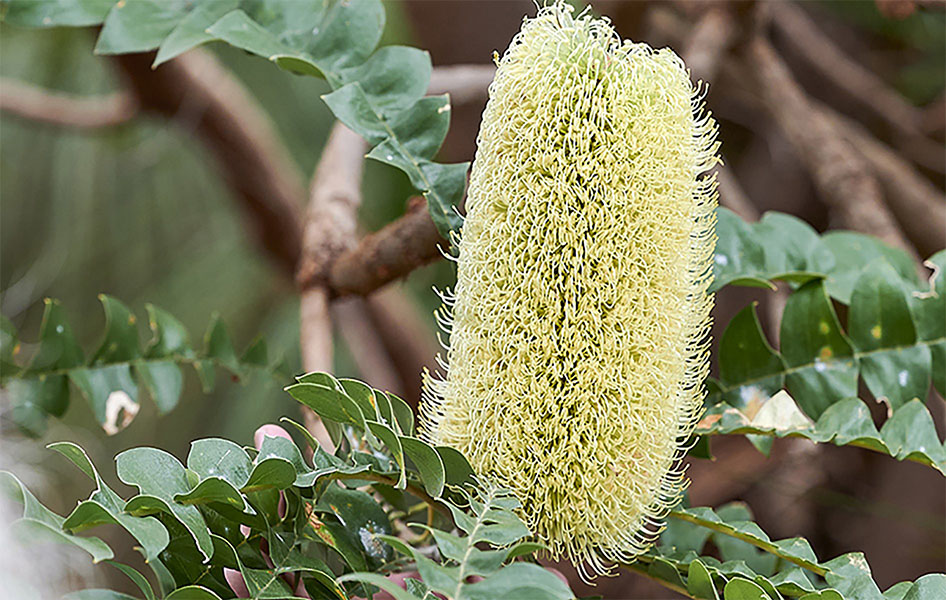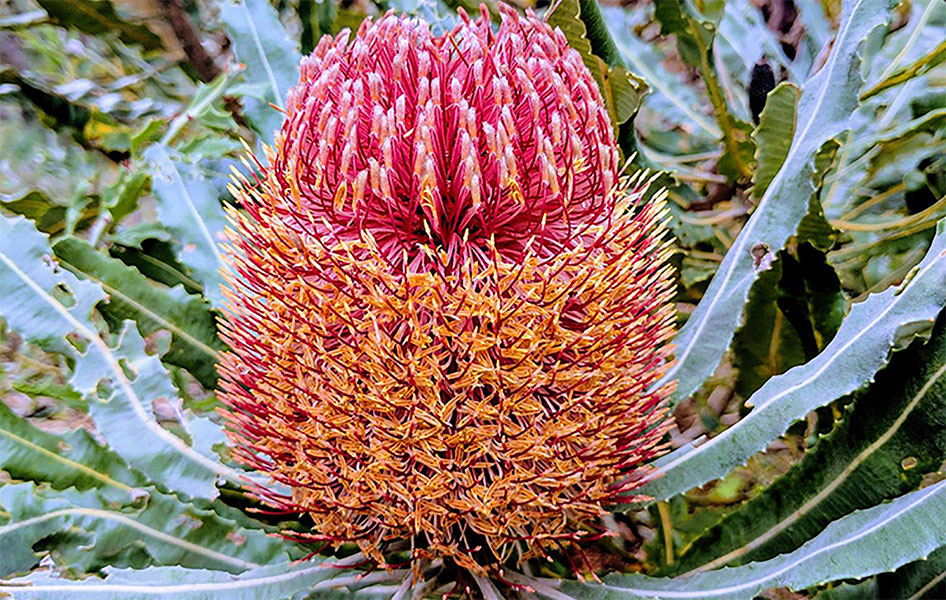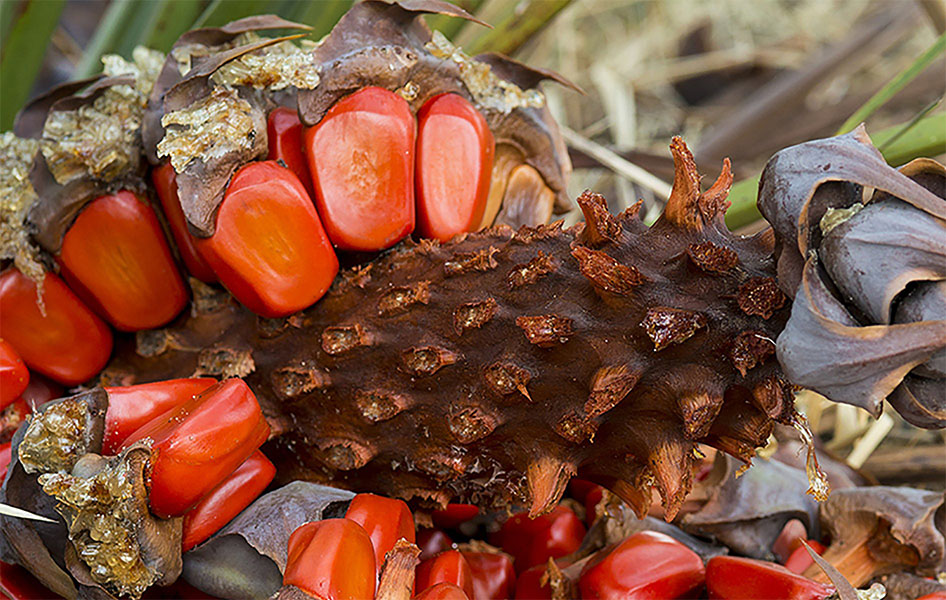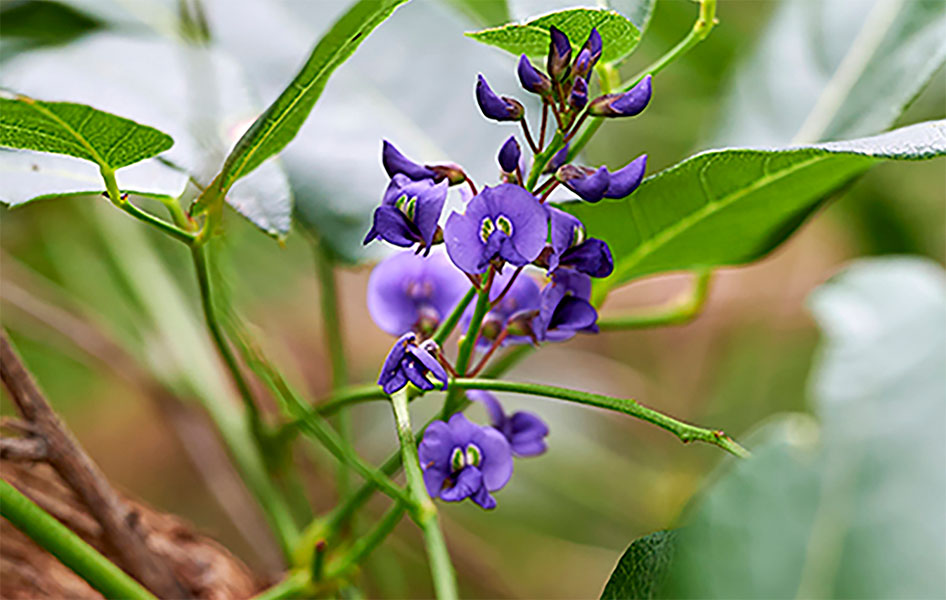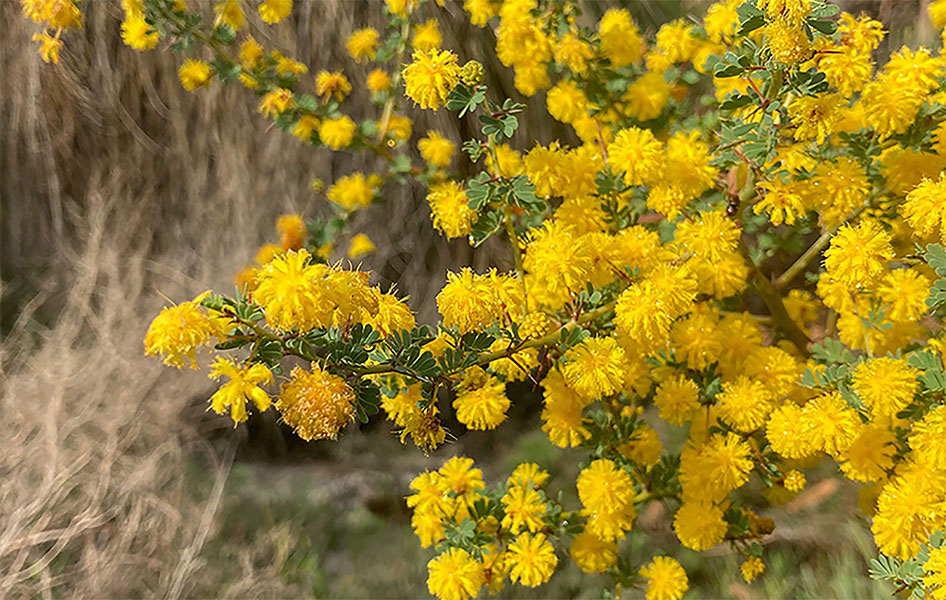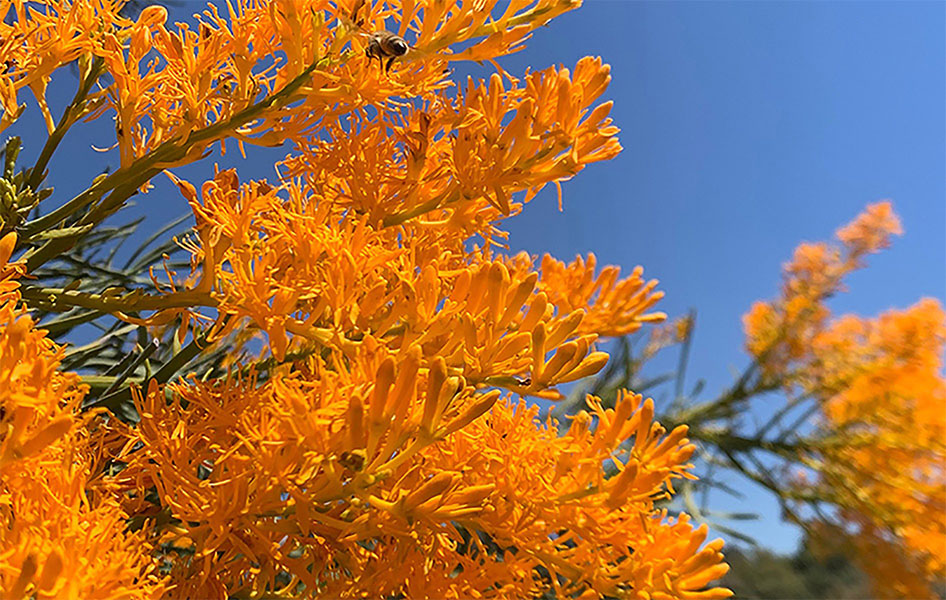
The City’s natural reserves are home to a variety of native plants and wildflowers. These plants create important habitats that play a crucial role in maintaining ecological balance, supporting wildlife, and enhancing the natural beauty of the City.
Critical environments and threatened ecological communities
The habitat created by different plants and animals can be classed as an ecological community.
In Stirling we have a diverse range of plant communities that thrive in different environmental conditions including:
- Coastal shrublands
- Rottnest Island Pine
- Melaleuca swampland
- Banksia Woodlands
- Tuart, Jarrah and Marri Woodlands.
Threatened Ecological Communities (TECs)
Of these, Banksia Woodlands, Tuart Woodlands, and Rottnest Island Pine are classified as Threatened Ecological Communities (TECs). These are ecological communities of very high conservation value due to their rarity and the unique species they support. Protecting these environments is critical for ensuring the survival of endangered species.
This ecological community was listed as Endangered under Environment Protection and Biodiversity Conservation Act 1999 in September 2016, due to its significant decline. Prior to urbanisation, Banksia Woodland formed a continuous band of large bushland patches around Perth, however roughly 60 per cent has been lost, with most remaining patches small in size.
Tuart Woodlands and Forests were listed as critically endangered in July 2019, under the Environment Protection and Biodiversity Conservation Act 1999. Ongoing risk of degradation within Tuart Woodlands suggests that this ecological community is likely to be completely lost if it is not protected and restored.
Trigg Bushland Reserve is one of the few places in Perth where you can find natural groves of Rottnest Island Pine. Once widespread along the coast, it is now classified as a Threatened Ecological Community under the Environment Protection and Biodiversity Conservation Act 1999 due to the impact of land development and frequent fire.
Native plants and habitats
Wildflowers of the Nyoongar Six Seasons