
The City of Stirling has a culturally diverse history. We're committed to preserving and showcasing historical artefacts, documents and stories from different eras, and making them accessible for public viewing.
Readers are advised that the information contained in this article can be distressing for some including Aboriginal and Torres Strait Islander peoples.
In 1971, the Shire of Perth was renamed the City of Stirling to recognise Admiral Sir James Stirling's contribution as the first Governor of Western Australia and to mark the centenary of the original Perth Road Board.
Stirling (1791-1865) was a British naval officer and the first Governor of the Swan River Colony, serving from 1829 to 1838. Following his exploration of the Swan River region in 1827, Stirling advocated for the establishment of a British settlement on the west coast of Australia, and led the foundation of the colony in 1829.
As Governor, Stirling oversaw the colony's early administration, including the allocation of land, establishment of government institutions and development of the fledgling settlement. His role in the foundation of Western Australia led to many places and organisations being named in his honour.
The Swan River Colony was established on Wadjak Nyoongar Country. Under Stirling’s administration, land was surveyed, seized and allocated to settlers. During Stirling's exploration and the early years of settlement, colonists encountered established Nyoongar pathways across the Swan Coastal Plain. Research has shown that some traditional Aboriginal journey ways later influenced the development of Western Australia's road network.
One of the most significant events associated with Stirling's governorship was the Pinjarra Massacre of 28 October 1834. Stirling led a military expedition to the Murray District, where they killed Bindjareb Nyoongar men, women and children. Estimates range from 15 to more than 80 people killed. Today, the event is recognised as one of the most significant incidents of frontier violence in Western Australian history.
In October 2025, the Governor of Western Australia, Chris Dawson, formally apologised to the Bindjareb Nyoongar people for the Pinjarra Massacre and the actions of his predecessor, Governor Stirling.
The City of Stirling is committed to reconciliation and truth-telling by acknowledging both the achievements and impacts of Western Australia's colonial history, including Stirling’s role in founding the colony and the harm it caused to Aboriginal peoples. By recognising multiple perspectives, including the experiences of Aboriginal peoples, the City seeks to foster a deeper understanding of the shared histories that have shaped our community and continue to influence the place we know today.
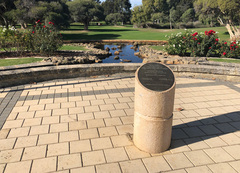
Commemorative memorials and plaques
The City’s Commemorative Memorials and Plaques application form provides residents with an opportunity to acknowledge people, organisations, and events that have made significant contributions to the City of Stirling and the local community.
Applications will be assessed using supporting documentation and evidence, and nominees will be advised as soon as possible. However, this process may take time due to the level of research required.
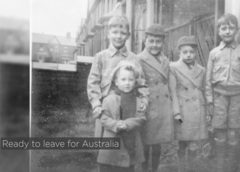
Stirling Stories
We have collected memories and experiences from long-term members of the community who have lived or worked within the City of Stirling for 30 years or more. These contributions enhance the Stirling Oral History collection. By recording oral history interviews, we ensure that the voices of interviewees and their stories will endure for future generations.


